
Program 1
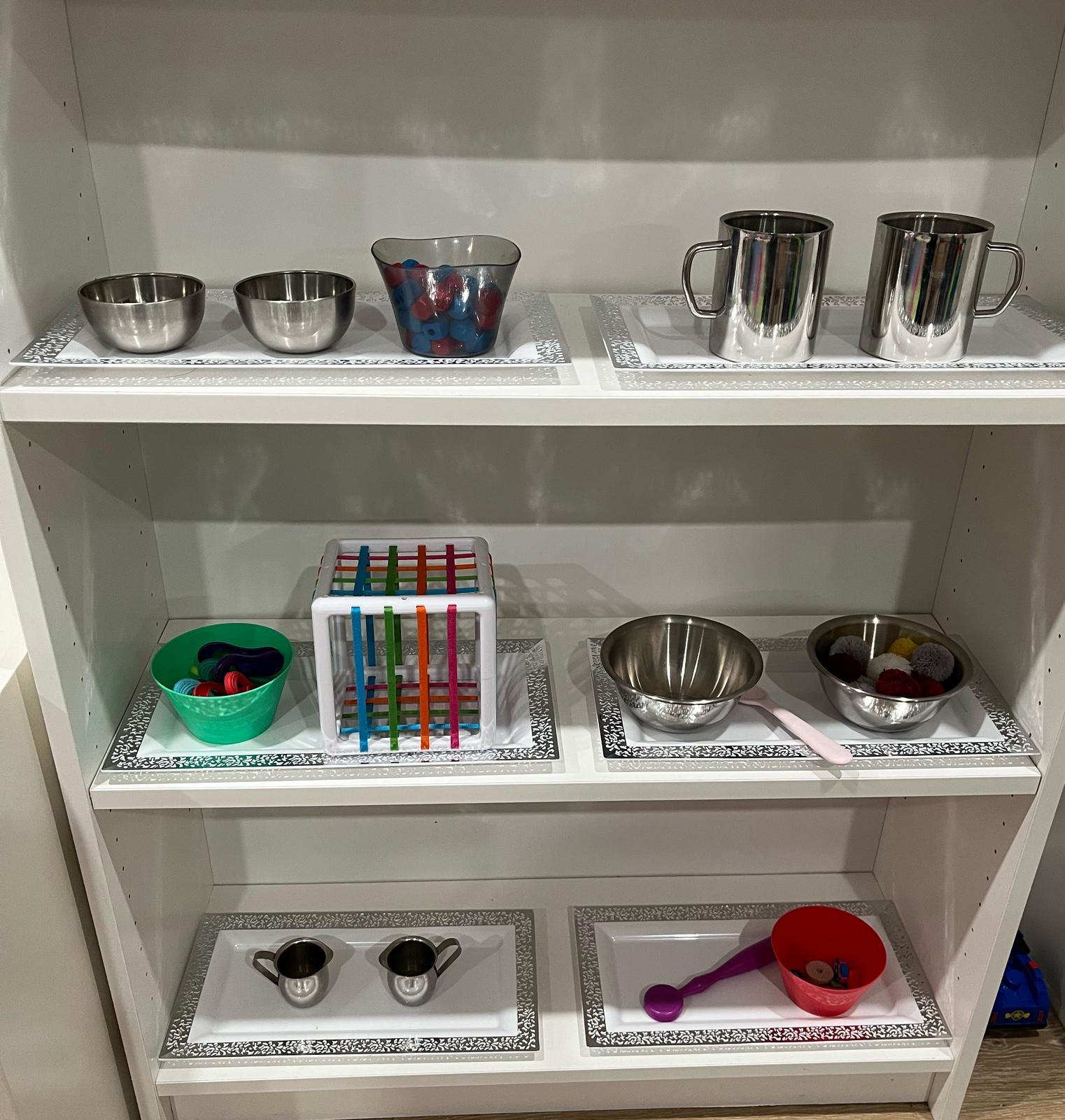
Practical Life
Practical life activities in Montessori education are foundational exercises that help children develop essential life skills. These activities are designed to be purposeful, engaging, and mirror real-life tasks, fostering independence, concentration, and confidence.
In the Montessori classroom, these tasks are typically carried out using child-sized tools and materials, allowing children to explore and learn at their own pace.
IndependenceConcentrationConfidence
Program 2
Sensorial
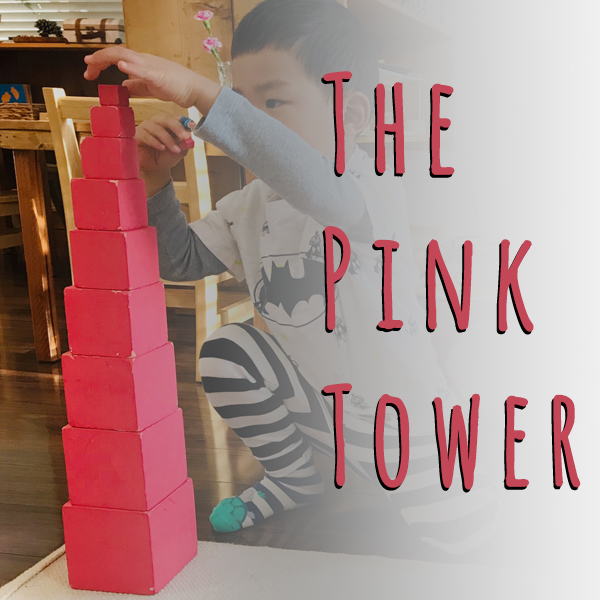
Sensorial activities in Montessori education are designed to help children refine their five senses (sight, touch, smell, taste, and hearing) by providing materials and experiences that engage them in exploring the world around them. These activities are integral to the Montessori philosophy as they aid in the development of concentration, coordination, and cognitive abilities.
Through sensorial experiences, children are able to develop a deep understanding of the properties of objects and environments, which forms the foundation for later academic learning in areas like math, science, and language.
The five sensesCoordinationCognitive development
Program 3
Language
Language acquisition in a Montessori classroom is an integral part of the learning experience, supported by carefully designed materials and child-centered teaching methods.
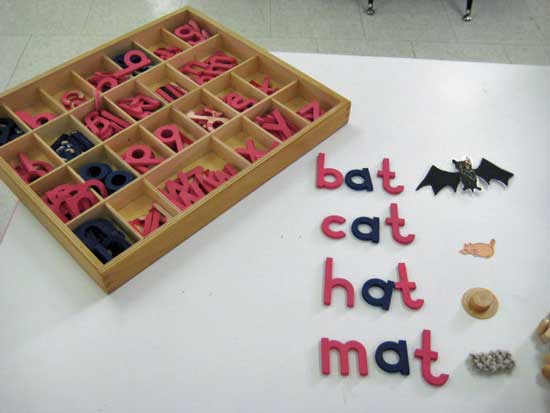
Language acquisition begins with phonetic awareness. Children learn the sounds of letters (phonemes) before the names of letters.
The Movable alphabets allow children to construct words before writing them. This approach supports a smooth transition to reading and writing.
Letter sounds firstMovable alphabets
Program 4
Math
In Montessori education, mathematics is approached in a hands-on, concrete manner that enables children to develop a deep understanding of mathematical concepts. It follows a progression from concrete to abstract, allowing children to explore and internalize math concepts at their own pace.
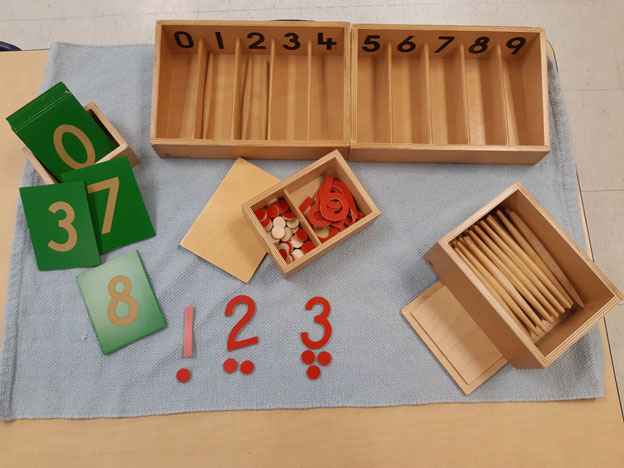
Materials such as Spindle Boxes teach quantity and numeral recognition. Cards and Counters reinforce counting and the concept of odd/even.
Spindle BoxesCards and Counters
Program 5
Culture
Culture in a Montessori classroom refers to the study of geography, science, history, art, music, and other aspects of human life and the natural world. These subjects are interwoven into daily activities, sparking curiosity and exploration.
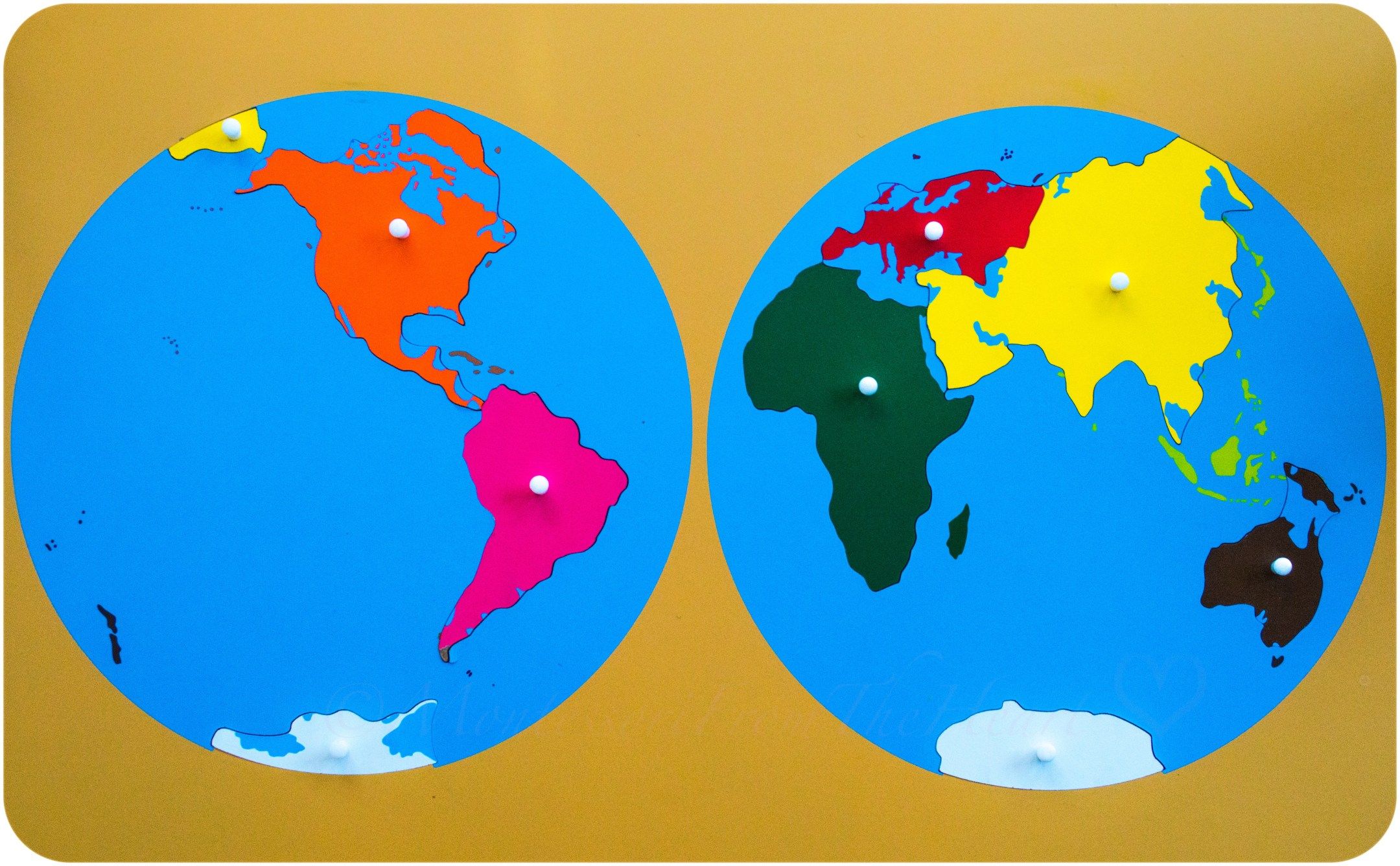
- Materials like globes, puzzle maps, and land and water forms introduce children to continents, countries, oceans, and geographic features.
- Activities include studying the parts of plants, planting seeds, and exploring the life cycle of plants using hands-on materials like puzzle pieces and nomenclature cards.
- Experiments allow children to explore concepts like magnetism, buoyancy, and the states of matter.
The cultural curriculum in Montessori education is designed to instill a sense of wonder and connection to the world while nurturing curiosity, respect, and a lifelong love of learning.
GeographyPlantsExperiments
Come and see Montessori in action
Ask about availability, fees and subsidy, or start the enrolment form.